

Maintaining Boiler Water Levels
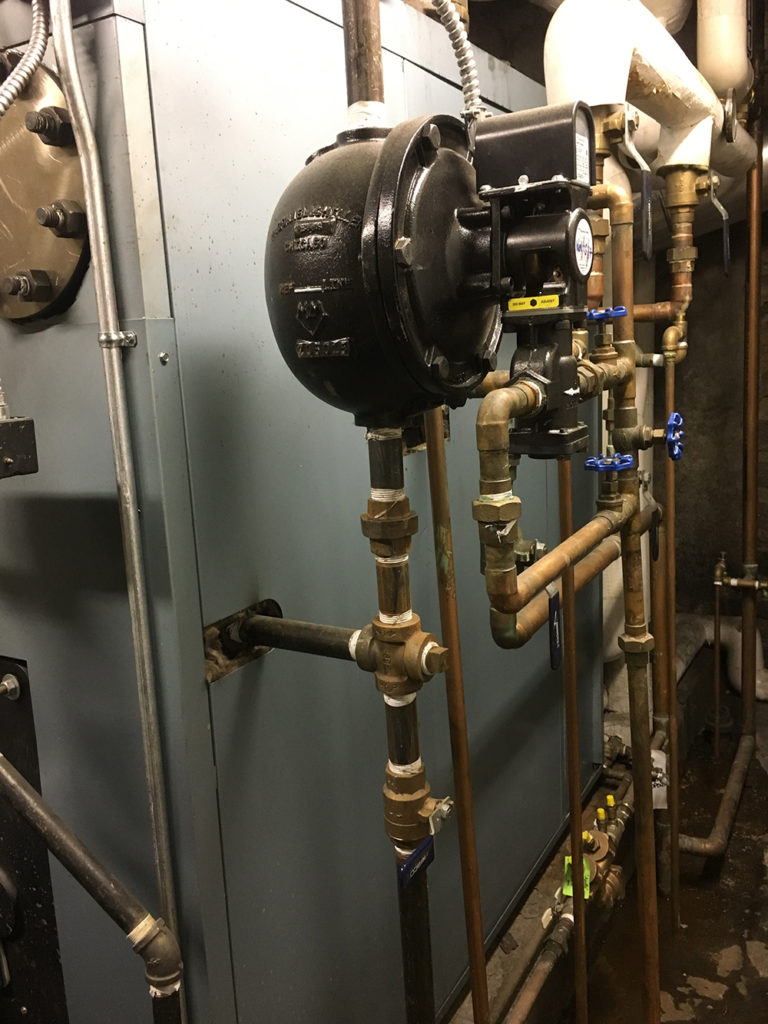
Maintaining Proper Boiler Water Levels
Maintaining the correct water level inside your boiler is critical to safe operation and long-term reliability. Water acts as a lubricant and heat buffer for internal cast iron or steel components. Without it, serious damage can occur in minutes.
Routine monitoring helps prevent breakdowns, overheating, and costly repairs.
Understanding the Boiler Gauge Glass
The gauge glass is the primary visual indicator of your boiler’s water level. It’s typically a clear glass tube, six inches or longer, mounted on the front-center of the boiler. At a glance, it tells you whether your system has enough water to operate safely.
There should always be visible water in the gauge glass. If the glass is empty—or the level drops below the normal operating range—the boiler is at risk.
Common Causes of Low Boiler Water Levels
If your boiler is losing water, several issues may be at play. Leaking return lines can drain water faster than the system can replace it. In other cases, the automatic water feeder may be seized or malfunctioning due to lack of routine flushing.
When automatic water feeders aren’t flushed weekly, sediment buildup can prevent the internal float from moving freely—causing the feeder to fail when it’s needed most.
Why Weekly Water Feeder Maintenance Matters
Flushing the automatic water feeder at least once per week keeps the float mechanism clear and responsive. This simple step ensures the system can maintain proper water levels and prevents dangerous dry-fire conditions.
Neglecting this maintenance is one of the most common causes of boiler water loss and emergency service calls.
What to Do If the Gauge Glass Is Empty
If your boiler is running and there is no water visible in the gauge glass, turn the boiler off immediately. Do not attempt to restart it. Confirm that all water feed valves are fully open, leave the system off, and call for professional service right away.
Operating a boiler without water can cause severe internal damage and create serious safety risks.